Category: Uncategorized

  • UMILES University: a reliable drone pilot school

    UMILES University: a reliable drone pilot school

    If you are looking for a pilot school in Madrid, you should take into account several important factors to select the one that best suits your needs and that has all the guarantees in terms of the training provided and the certificates offered.

    If you are not familiar with the world of drones you may not know the certificate you need to fly a UAS (Unmanned Aircraft System), or maybe you are clear that what you want is to dedicate yourself professionally as a drone pilot and want to work for a company or work as a freelance. 

    The world of drones is in continuous movement, so the regulations are constantly changing. The objective is to be able to properly legislate all the changes that the increase of drones in recent years and the impressive demand of people who want to try to work in this profession that, according to forecasts, will continue to grow in the future.

    Although you may think that most training centers are the same, they are not. There are many differences and you should be aware of them. Our advice is to look for the drone pilot school that offers all the official certificates, that has teachers with extensive experience in training, that has good reviews from students who have passed through there, etc. 

    Does the new European drone regulation affect training?

    After the entry into force of the new European drone regulations in 2021 UAS are classified into seven classes: C0, C1, C2, C3, C3, C4, C5 and C6, according to their technical characteristics and the systems available to the aircraft. In addition, three types of categories are established for flying drones according to the type of operations to be performed:

    • Open category for low-risk operations.
    • Specific category for medium risk operations.
    • Certified category for high-risk operations.

    The open category encompasses the basic drone pilot training with three subcategories: A1, A2 and A3. The exams are conducted through AESA (State Agency for Aviation Safety) and you obtain a certificate that allows you to fly drones throughout the national and European territory.

    Subcategory A1

    Includes class 0 drones, with a MTOM (Maximum Take-Off Mass) of less than 250 grams and a maximum speed not exceeding 19 m/s. The pilot should only be familiar with the drone manufacturer’s user manual in very specific cases, such as the aircraft being of private construction, among others. 

    Subcategory A1/A3

    Includes drones of class C1 or category A3 with drones of class C3 or C4. In this subcategory, the pilot must be familiar with the manufacturer’s user manual and must pass the corresponding training and theoretical exam. Once passed, in case of having a class C2 drone, the pilot will have to complete another theoretical exam.

    Subcategory A2

    This subcategory is oriented to fly class C2 drones. To reach this level, the pilot must have passed the training and theoretical exams of Level 1 (A1/A3). Pilots must be familiar with the manufacturer’s user manual and must undergo practical training under the conditions of category A3. 

    Specific category

    In the specific category the pilot will get an STS standard certificate after passing an additional theoretical exam in standard scenarios and must do a practical training related to the standard scenario. Depending on whether he has passed the A1 and A3 training, or has passed the A2 training, he will have to pass one theory exam or the other. Afterwards, you will have to take the STS practical training of the corresponding standard scenario which must be given by a school recognized by AESA or EASA.

    Why choose UMILES University as a drone pilot school in Madrid?

    In addition to having teachers with extensive experience in training and who are passionate about drones, we have our own magnificent facilities in Brunete (Madrid) for students to develop their practices with UAS. These are all the courses that you can teach with us:

    • STS Course: includes levels A1-A3 and A2 and you get the basic official certificate to fly drones all over Europe.
    • Professional Drone Pilot Course: without a doubt, this is the most complete course and the one you should take if you want to be a professional pilot. It lasts 6 months and includes specialized courses in the audiovisual sector and in emergencies. In the internship, students learn to design and execute an operation with a real client.

    Specialty courses

    • Advanced Mechanics Course
    • Industrial Technician and Remote Sensing Course
    • Audiovisual Specialist Course (CEA)
    • Safety and Emergency Course (SEM)

    As you can see, we have a very interesting list of courses, the best teachers and facilities and, above all, all the official certificates to become a professional drone pilot if you wish. Contact us and discover your trusted drone pilot school in Madrid.

  • UMILES develops its own drones with 100% Spanish technology.

    UMILES develops its own drones with 100% Spanish technology.

    UMILES develops state-of-the-art drones in its own factory located in Brunete (Madrid). In a constant process of research, learning and creativity, the company is at the forefront of innovation to offer its customers tailor-made solutions with technology made in Spain. UMILES is an approved drone manufacturer recognized by the Spanish Aviation Safety Agency (AESA).

    The thousands of operations performed around the world in countries such as Mexico and Chile have allowed the company to acquire a know-how that responds to the different requirements and problems. The large team of qualified professionals in the engineering and aeronautics sector develop and manufacture UAVs with the latest technological innovations. 

    Respect for the environment

    One of the main values of UMILES Group is respect for the environment. For this reason, the company works in compliance with a sustainable environmental policy and ecological logic. 

    UMILES drones are designed with their own hardware, applications and communication systems that provide the aircraft with full operability. This autonomy translates into safer systems.

    UMILES RPAS and UAVs are characterized by their great adaptability, a quality that allows them to generate an endless number of uses. Some of UMILES’ own models are the SATURNO surveillance and rescue drone, the ALTA X, with a payload capacity of 15 kg, the U-WING fixed-wing drone, the U04 quadcopter, the U06 hexacopter and the U06 Plus, which is equipped with an autonomy of up to 28 minutes, a payload capacity of eight kg and the possibility of interchanging different payloads: multispectral, visible spectrum, thermal, etc.

    Every day, UMILES continuously evolves and updates its technology to offer its customers permanent support.  

  • Main uses of professional drones

    Main uses of professional drones

    The services of a professional drone pilot are increasingly in demand in different sectors. In some fields, such as topography, drones have been used as a working tool for a long time. However, in other sectors such as sports broadcasting, they have started to use them recently with excellent results, so surely more and more areas will join the use of drones to provide better customer service.

    Let’s see in which sectors drones are widely used and which ones demand more professional pilots to do the jobs.

    Uses of professional drones

    Audiovisual sector

    The audiovisual sector is perhaps the one in which the use of professional drones for advertising, cinema or television programs has become more widespread. The spectacular images and the ability to reach places where it would be impossible to film, are some of the advantages offered by drones. If they did not exist, the cost of helicopters, airplanes or cranes for filming would be very difficult to assume, therefore, many costs and risks for the filming team are minimized.

    Topographic sector

    Surveying, mapping and geomatics are disciplines where drones have been used for a long time. More and more sensors and devices are becoming available so that drones can provide more information, reduce time and complexity of the work. It is undoubtedly a very valuable tool for professionals.

    Emergencies and security

    Drones are very effective in preventive work, rescue of people, surveillance, forest fire detection and monitoring. Thanks to them, people have been located in inaccessible places, lost in the mountains or even kidnapped. Last year we were able to test their use as a deterrent during the Covid 19 pandemic.

    Technical inspections

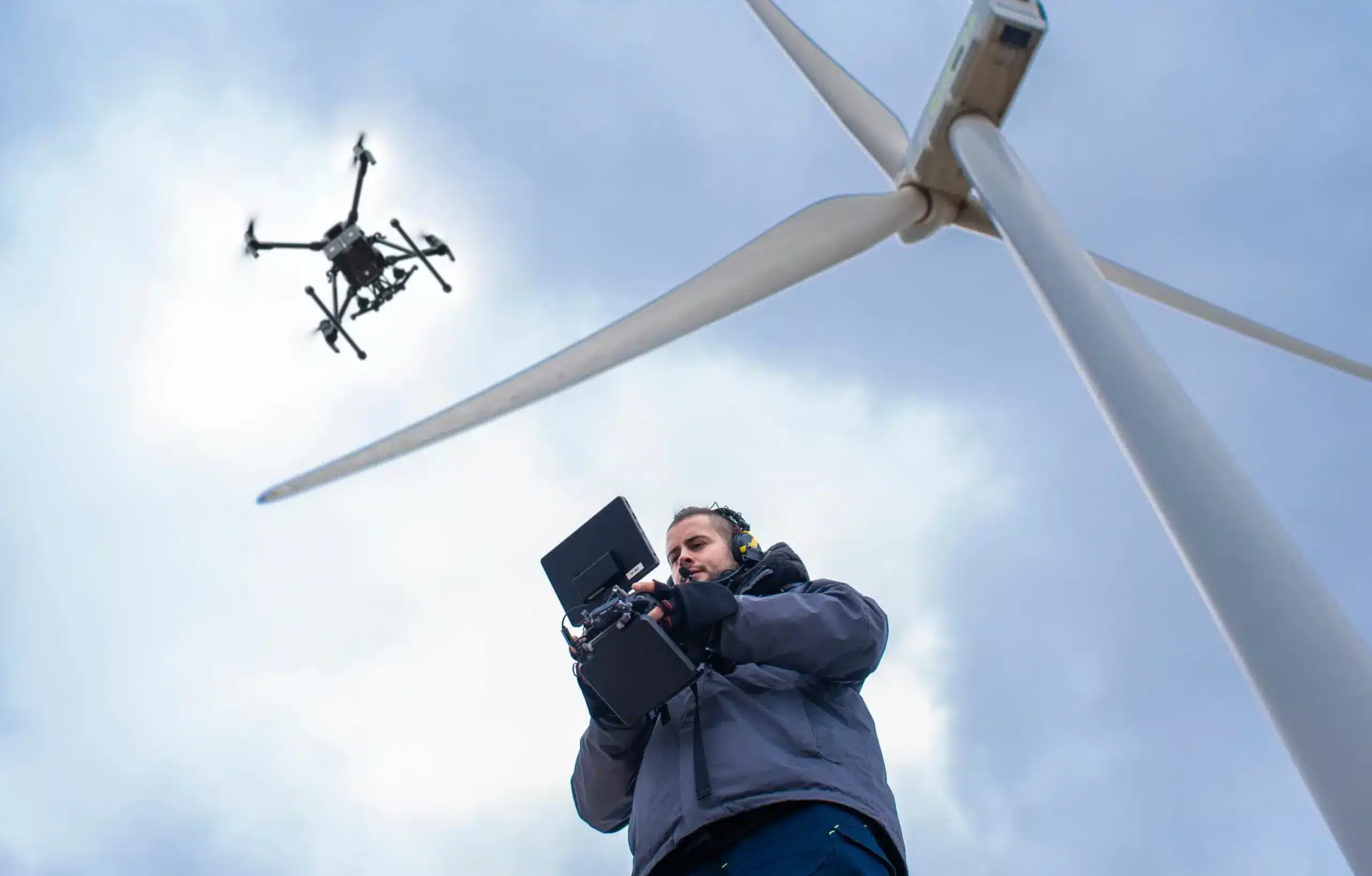
    Drones are increasingly used for technical inspections and control of large infrastructures such as bridges, dams, wind turbines, thermal power plants, photovoltaic plants, etc. Their work is really effective, providing high quality thermal and multispectral images and greatly reducing costs and risk to people.

    Agricultural sector

    Drones have made everyone know or have heard about precision agriculture and UAS have revolutionized the sector with all the data they are capable of providing to the farm manager, such as the detection of water stress, pest control, how plant growth develops or the location of diseases, among many others.

    Mining sector

    Drones provide quality images to explore mining settlements through remote sensing. This provides key information for mining decisions. As UAS can reach remote and difficult-to-access sites, they are also used to search for new mineral deposits and all kinds of natural resources.

    Environment

    Drones are used to investigate uninhabited territories and research their flora and fauna, the detection of possible invasive species or any other element that may alter the ecosystem. They are also used to monitor endangered animal species and in any type of work related to the environment and its conservation.

    Archaeology

    Drones are increasingly used in the detection of archaeological sites or in the investigation of those that have already been discovered. Their ability to take hundreds of high-quality aerial photographs in a matter of seconds and in inhospitable places is very useful for investigating the state of ruins or archaeological remains where it would be much more complicated for a team of people without unmanned aerial means. 

    Other professional uses of drones

    Apart from the sectors where the use of drones is more widespread, there are other uses in which their use is being implemented little by little:

    – Traffic surveillance: in recent years, drones have been working for the DGT monitoring traffic on roads and highways and detecting possible infractions.

    – Parcel delivery: in some countries, home delivery of parcels has already been successfully tested. For example, companies such as Amazon and UPS are already starting to use this service with their customers.

    – Border surveillance: the Guardia Civil uses drones to control traffic in the Strait of Gibraltar and other important points of the Spanish border, as well as in other types of operations.

    – Capacity controls: drones have been used to enforce social restrictions that were implemented due to the health crisis, so that aircraft could control from the air the capacity of venues, outdoor events, and social distancing in natural, rural or urban spaces.

    As we can see, the use of drones is becoming widespread in many sectors and more and more people decide to take a professional drone course and specialize in the sector they are most interested in. At UMILES University, apart from the basic and advanced courses to obtain the official certificates, we also offer specific drone pilot courses to become an expert professional in different sectors, such as audiovisual, security and emergencies, advanced mechanics, or technical inspections.

    These job profiles are increasingly in demand and, undoubtedly, it is a highly recommended option to achieve a promising future in the world of drones. Contact us if you want to know more details about our courses.

  • How to become a drone assembly and maintenance specialist

    How to become a drone assembly and maintenance specialist

    Most people who are attracted to the world of UAS want to become a drone pilot. However, the assembly and maintenance of these aircraft is also an area that is currently in demand and should be explored.

    More and more expert technicians are needed in drone repair and maintenance, so right now is a unique opportunity to specialize in a sector such as drones, which is in continuous expansion and which increasingly requires more qualified personnel who are able to save costs for the company.

    How to become an expert in drone maintenance?

    The first requirement to be able to work professionally in the assembly and maintenance of drones is to have official certification and this is obtained by taking a drone maintenance course at an official center approved by the Spanish Aviation Safety Agency (AESA) or the European Aviation Safety Agency (EASA).

    In the course, applicants receive the knowledge and skills to carry out all the necessary actions related to UAS maintenance, such as the design, assembly, construction, calibration, configuration or repair of a professional drone after an accident, as well as the configuration of the drone depending on the activity to be carried out with it.

    Once you have learned the theoretical basics about drones and are familiar with their most important components, transmitter and accessories, you can identify possible malfunctions, faults or failures in the drone with greater precision.

    A technician specializing in this subject must know how to assemble a drone from scratch, how to assemble it, how to weld and program the transmitter and flight controller and many other tasks that are essential for the drone to be able to offer all its features.

    The course is aimed at anyone interested in the development of new and innovative platforms, in R+D+i and in everything related to the technical aspects and flight systems of a drone.

    To do the course it is recommended to have knowledge as electromechanical maintenance or drone pilot, although it is not essential.

    Our drone maintenance course

    In the case of UMILES, our drone maintenance course focuses on complex professional drones so that, once you have mastered their assembly and maintenance, this knowledge can also be used for the calibration of drones with lower technical characteristics.

    The course is face-to-face and has a duration of 10 days, structured in 80 hours. Although there are theoretical classes, most of the classes are eminently practical and are given by our specialists in the UMILES Technologies workshop, which has all the tools and instruments necessary for our students to obtain the best possible training.

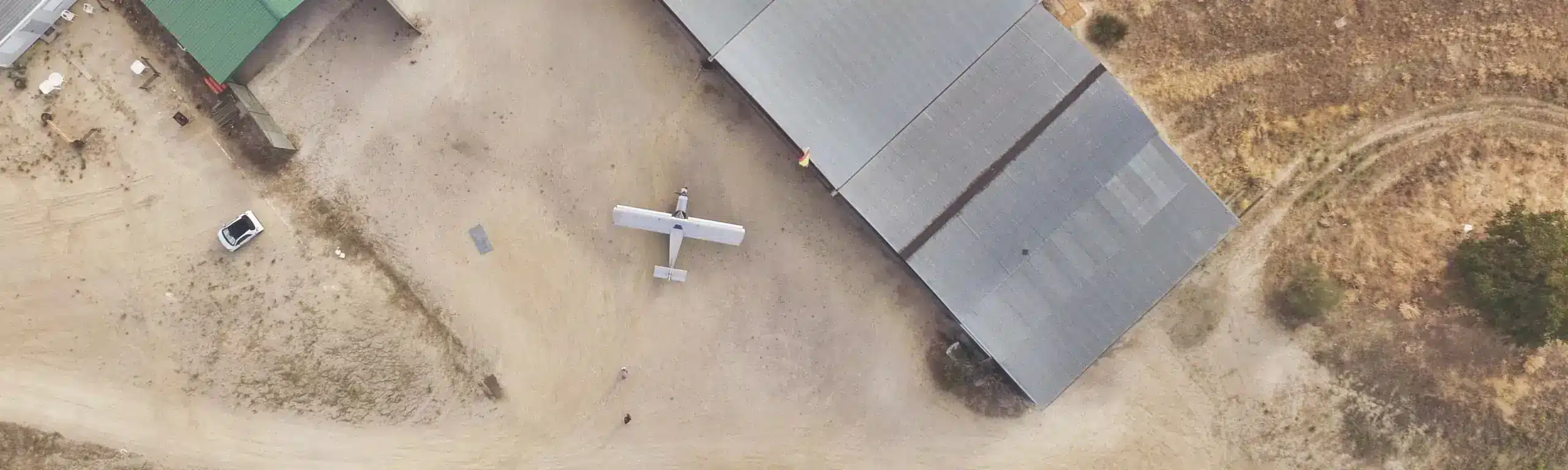
    The course syllabus includes theoretical classes on electric motors, propellers, speed controllers and the structure of the drone. In the practical classes, the student will learn everything related to assembly, design and calibration and will carry out flight tests with the U-06 professional drone model. As we have a private aerodrome at our facilities in Brunete, students have greater freedom to do their practical training.

    What are the opportunities to become a professional in the assembly and maintenance of drones?

    Without a doubt, it is one of the certifications with the best job prospects at present, as the demand for drones is very high in all sectors and technicians are needed who can quickly and accurately fix drones when they break down or suffer any mishap. Currently, more than 4,000 operators are registered with AESA and all of them need a technician specialized in drone assembly and maintenance.

    Always having the aircraft ready to fly is a requirement to be able to fly and, for that, a specialist technician must be in charge of it and be able to fix any breakdown. Sometimes the damage is minimal, but on other occasions it can be so serious that it is necessary to contact the manufacturer of the device to find out how to fix it. 

    The course emphasizes the knowledge of all the components of the drone, its assembly and installation, the maintenance of the electronic elements and the mechanical elements. The aim is to diagnose the damage and then proceed to repair the drone.

    The student will learn about all the components of the drone during the course, such as the chassis, fuselage, motor, propeller, rotors, battery, flight controller board, speed controllers, gimbal, control station, landing gear, camera, etc.

    You will check the operation of electronic elements such as the Inertial Measurement Unit (IMU), the Control and Video Transmission System, the camera and stabilizer, the Visual Positioning System, etc., and you will check the maintenance of the basic mechanical elements such as the battery, motors, propellers, transformation system, etc.

    A very complete course that you cannot miss if you want to opt for a very promising future as a specialist in drone assembly and maintenance. Contact us if you have any questions about this or any of our courses, we are waiting for you!

  • Pablo Delgado’s interview

    Pablo Delgado’s interview

    P. Delgado (UMILES University): “It is rewarding to find missing persons and save lives on the spot”.

    Pablo Delgado is an instructor of the Drone Pilot and Security and Emergency (SEM) Professional Course at UMILES University, a pioneer school in UAVs education that has the largest portfolio of courses in Europe. Working in emergency devices has always been his vocation. That is why Pablo decided to train as a drone pilot and then as an instructor to turn his passion into his profession. Now, he trains the future generation of pilots and in this interview he gives some keys for those who, like him, want to work in a booming sector.

    How did you become interested in becoming a drone pilot and especially in rescue operations?

    I started with the subject of emergencies because I always wanted to be a firefighter and dedicate myself to emergencies. That’s where the desire to work in this sector came from. When I could not achieve my passion, which was to be a firefighter, I focused my efforts on working in the field of emergencies. In my spare time, I did extreme sports in the mountains, I took mountain rescue certificates… I was always aiming for what I wanted to achieve.

    On the other hand, being a drone pilot started as a hobby. Over time, I saw the opportunities it offered, especially in the field of emergencies, and that’s when I began to professionalize and invest time and money to prepare myself with the best professionals and trainers I knew.

    Today, I am in the company that for me is the best in Spain, training new pilots in all aspects. On the one hand, instruction and on the other hand, emergencies.

    Whoever wants to dedicate themselves to this, what should they study?

    Before, there were not many specialized companies, and above all, there was no complete specialization. Nowadays, there are companies that offer everything, but there are not many and almost none of them offer complete training. However, UMILES offers training for all professionalization. In my case, it is emergencies and trainings and there are many hours of internships. I would go for a company that gives me this complete training so that I don’t have to look for other complementary courses. I would go to the best professionals, as there are here, with Firefighters, Civil Protection, 061 personnel… They teach you, in addition to flying the aircraft, to work within an operation. UMILES training is very complete, I would say the most complete.

    What advice would you give to a pilot working for the first time in a security and emergency operation?

    Keeping a cool head is fundamental. It’s not easy, because there may be families around, people telling you things… But you have to keep the serenity that a rescue requires and dedicate yourself to what you have in front of you so you don’t make any mistakes. At that moment, it depends on your work whether that person lives or dies, so you have to be very focused.

    It is very important that the members of the rescue team are perfectly coordinated, isn’t it?

    That’s right, coordination is paramount. Not only for you, but also because you can be alerted by a third person, a lifeguard or any other member of the team. Everyone, with their own tools, intervenes in these rescues. In the end, I do my job and I do it well and you do your job and you do it well, and that is teamwork. It’s a gear that, if there’s too much of a rush to get there and one of the team members fails, we fail.

    Does that translate to UMILES students now?

    Correct, not only in the field of emergencies, because in UMILES there is a very wide range in any of the professionalization in terms of drone work. Obviously, in my branch, which would be emergencies, they are instructed, not only theoretically, but they are taught at the level of attitude, organizational, theoretical, practical, and tips to keep a cool head when working. In these jobs, no matter how many years you have been working, you are always tense because there are moments when you cannot fail. Here you are taught to keep a cool head in spite of the circumstances, to overcome any obstacle that you may encounter in the operation, etc.

    What advantages do you think that drones provide when it comes to finding missing persons compared to an operation that lacks them?

    There are many advantages. This will depend on the type of search, whether it is a direct emergency, or in the search for a person we do not know where he is. In the search for people, an aircraft will give us a series of advantages that will depend on several factors, whether it is a daytime or nighttime search, the morphology of the terrain, etc. Depending on each type of operation, for example, in a night search, we can use night vision cameras, which is another advantage of using drones. It will give us information on the type of vegetation, fauna, etc. We have information in real time. We can use public address, thermal cameras… So, I think it is a tool that has become essential. For example, in an area with very lush vegetation, a thermal camera would allow us to locate the body heat and find the victim. It is a tool that, for those who do not use it, it will be due to lack of resources or lack of knowledge, but it will have to become essential.

    What is the best type of drone for this type of operation?

    We have an advantage, which is that we have worked with and tested most of the emergency aircraft in the national and international market. As we have tested them, we know what their shortcomings and needs are. Therefore, we have opted for the development of a rescue aircraft with all this information. SATURNO is an aircraft one hundred percent developed by UMILES and has the capacity to be equipped with many types of cameras, thermal and night vision cameras, and different payloads, such as life jackets, megaphones, LED lights, anti-collision sensors… I believe that, nowadays, it is the one with the best complements in the market.

    What are the most complicated rescue and emergency operations you have experienced?

    Well, there have been several… They are all complicated. Search operations are longer and, therefore, more complicated. Sometimes there are days and days of searching, many hours, difficulties in the terrain, weather conditions, physical exhaustion…

    In emergencies on beaches, the complication is that, apart from the stress because you have to react very quickly, you have the added stress of family and friends, who are probably around and on top of you. Time is very short. It’s a matter of seconds whether a person is dead or alive, and that practically depends on your job.

    It’s rewarding to find missing people and save lives on the spot. Those are the moments when you realize that you are doing it right and you are obviously saving a life with your work.

  • Everything you need to know to become an audiovisual drone pilot specialist

    Everything you need to know to become an audiovisual drone pilot specialist

    The audiovisual sector is one of the areas where there is the greatest demand for drone pilots today. The number of existing audiovisual platforms and the increase in audiovisual productions of films, series and advertising, which seek to surprise the viewer with spectacular images, have led to an increase in aerial filming with drones in many projects and, therefore, an increase in work for specialist pilots in this sector.

    If you want to become an expert drone pilot for audiovisual specialist you must first become a professional pilot and then specialize in the audiovisual sector by taking one of the courses approved by AESA or EASA. Let’s take a closer look at this profession with a great job projection nowadays and in the future.

    What does the job of audiovisual drone pilot consist of?

    Apart from being a professional drone pilot, the audiovisual specialist must know well all the phases of an audiovisual project, such as pre-production, production and post-production, as well as the phases of a shooting and when and how drones come into action.

    When a production company hires a professional drone pilot specialized in audiovisuals, he/she will have to perform very specific functions:

    Plan the shooting

    The drone pilot will receive a script with all the aerial shots to be recorded with the drone and must analyze all the necessary aspects for the recording to run smoothly. For example, to know the production needs: type of drone to be used, cameras, to recognize the terrain where the shots will be taken, etc. The pilot will work in collaboration with those in charge of the shooting to solve all the problems that may arise and achieve an optimal shooting.

    Recording 

    The pilot will work with the camera operator to set up the camera on the drone, prepare the camera angles, framing, lighting and all the accessories needed. Once the technical aspects have been prepared, the pilot must have a perfect handling of the drone to fly over the exact areas where the shots that the director wants will be recorded, according to the script and the shooting plan.

    Video editing

    After the recording of the required shots and, depending on the production, the pilot could also collaborate in the edition and editing of the project with the use of certain software that he/she has previously mastered due to the training received.

    What kind of work does an audiovisual drone pilot perform?

    Currently, professional pilots specialized in audiovisual projects carry out the following drone recording jobs:

    – Film shoots.

    – Shooting of television series.

    – Shooting of commercials.

    – Event filming (weddings, corporate events, fairs, etc.).

    – Monitoring of sporting events (soccer matches, car or motorcycle races, athletics, etc.).

    – 360º video production.

    – Live transmission with drones.

    And much more…

    Do you want to work as an audiovisual drone pilot?

    At UMILES University we offer you a series of essential courses to become a drone pilot specialized in the audiovisual area. First of all, you must obtain the official certificate of professional drone pilot STS, doing our professional course approved by AESA and EASA, where you can fly all types of drones under 25 kg, ie drones class C0 to C6.

    Once you have passed the professional course, you will be able to specialize in the audiovisual area with our CEA Course (Audiovisual Specialist Course), taught by professional pilots with many hours of shooting in all kinds of audiovisual projects and with the most modern technical equipment. Students will be able to practice with real flights to be prepared for any type of situation that may arise in a film, television or event shooting.

    Advantages of the use of drones in the audiovisual sector

    Unmanned aircraft offer multiple benefits to professionals in the audiovisual sector. Let’s see the main advantages of drones applied to the audiovisual sector:

    – When recording with drones saves a lot of resources, especially in renting light aircraft or helicopters, which was what was used until a few years ago.

    – Drones make it possible to record improbable shots, from perspectives that have never been seen before, thanks to their versatility, small size, and their ability to reach inaccessible places.

    – UAS can install high quality cameras at angles that would be unthinkable if they were installed on a light aircraft, helicopter or crane. The result of this work is spectacular images that are highly appreciated by today’s productions.

    – The risks of accident or personal damage to the filming equipment are minimized, since the aircraft are unmanned. The only danger would be the destruction of the drone in case of collision or accident.

    As we can see, the profession of drone pilot in the audiovisual sector is increasingly in demand by professionals in the field, hence its job outlook is very encouraging. If you want to be a professional pilot and specialize in this sector, do not hesitate to contact us to resolve any questions, we are waiting for you!

  • UMILES Group attended the presentations of prestigious professionals of Advanced Air Mobility during the Amsterdam Drone Week

    UMILES Group attended the presentations of prestigious professionals of Advanced Air Mobility during the Amsterdam Drone Week

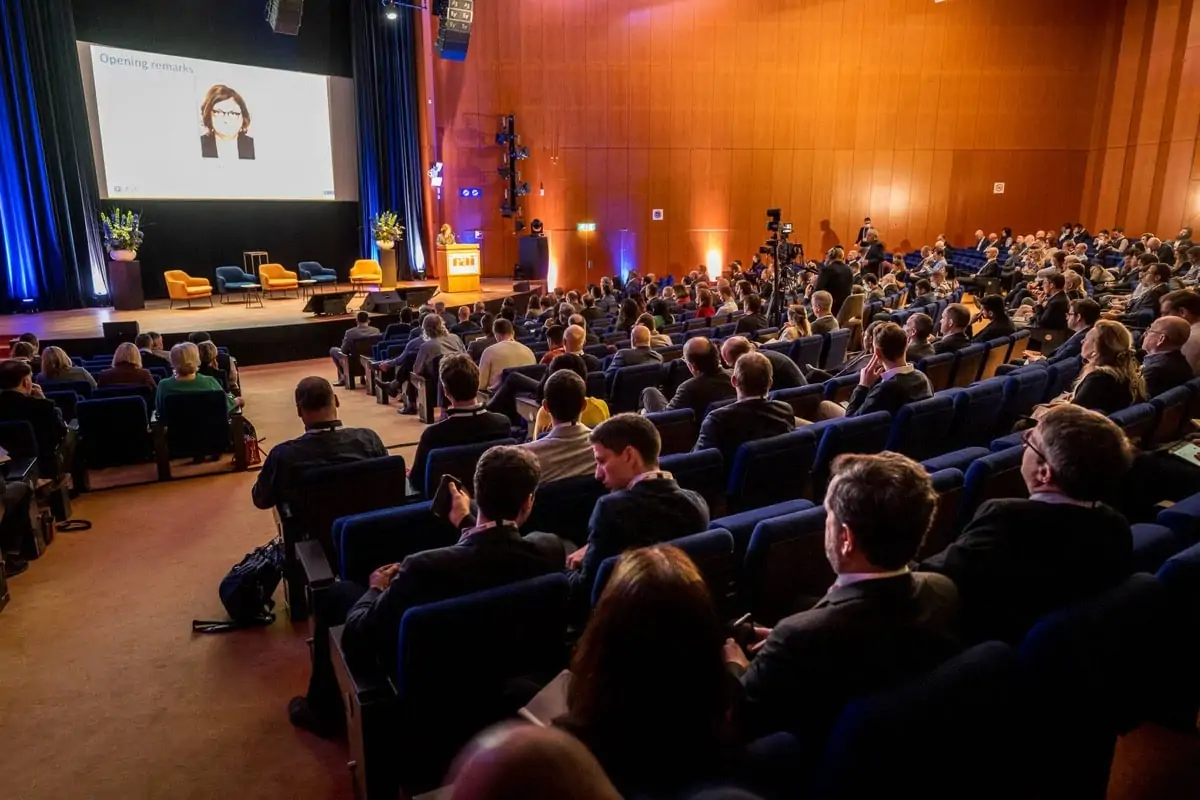
    UMILES Group attended the Amsterdam Drone Week (ADW), which was held at the RAI Amsterdam convention center, to learn first-hand about the latest developments in Urban Air Mobility (UAM) and Advanced Air Mobility (AAM).

    Patrick Ky, executive director of the European Aviation Safety Agency (EASA), during his presentation at the first conference panel was optimistic that around 93% of people perceive drones positively, and 71% of Europeans are ready to try the services provided by UAM, according to data from a recent EASA survey.

    UAM/AAM are presented as the great revolution in the transport of people and goods using eVTOL (electric and vertical take-off and landing) aircraft, a technology that is getting closer and closer, although it is true that some questions arise about how this market value will be created and which technologies will be necessary to create this new mobility scenario, topics that have been discussed at the various ADW conferences. 

    U-space was another of the topics to be discussed because of its importance in supporting safety, efficiency and access to airspace for drones. This system adopts the rules and conditions for the safe integration of drones alongside manned aviation, and will be mandatory in the European Union as of January 26, 2023. María Algar, Drone Programme Manager at EASA, stated that “in Spain, everything that has to do with the implementation of U-space falls for now on the DGAC (for the decision of where to implement the U-space airspace) and on Enaire, which is going to be the first (and maybe the only) Common Information Services Provider (CISP), as well as the first U-space Services Provider (USSP). However, both ENAIRE and the DGAC want this service (USSP) to be open to the market, that is to say that there will be other USSPs besides ENAIRE, but at least there will be one”. In fact, companies such as Unifly and Airbus UTM are deploying their USSP services together with ENAIRE. “What is clear is that Spain will have its implementation of the U-space regulation in time”, concludes María Algar.

    How does Air Mobility work?

    Carlos Poveda, CEO of UMILES Group, who was also present at ADW 2022, provides his vision as an aircraft manufacturing company. UMILES Group, through its UMILES Next mobility division, is in contact with administrations, regulators, and operators to understand market needs. “At UMILES Next from the beginning we have maintained a close relationship with AESA, EASA, as well as other international agencies such as the FAA, as it is essential for us to know both the needs and limitations in order to develop and build aircraft that are viable and meet the real needs of the market.” 

    Another aspect to take into account in this new air mobility system is the role of each of the actors. On the one hand, there are the manufacturers of eVTOL aircraft and on the other, the operating companies. UMILES Group is clear about their role. “It is a subject on which we have reflected carefully and finally we position ourselves as a manufacturer since the operator must be our ally and main customer,” stressed Carlos Poveda.

    For the development of this technology, it is necessary that public and private entities cooperate with each other to develop the infrastructures that will be part of the landscape of the future, where eVTOL aircraft will operate in the areas enabled for this purpose. These are the so-called vertiports. The question that arises is: how can vertiports be integrated into a city and what challenges do the companies that will develop and operate them face?

    Gonzalo Velasco, Director of Business Planning and Innovation at Ferrovial Airports, who was a speaker at some of the EASA conferences at ADW 2022, says that “the biggest challenge in developing vertiports is finding the right location”. In this search for the optimal location of the landfill, other factors influence, such as the “availability of land, airspace compatibility, connectivity with other means of transport, electrical connection, etc.”. Other challenges faced by Ferrovial when developing airports are aspects related to “the lack of a specific regulation for airports, the fast-charging infrastructure for eVTOLs or the dragging of these aircrafts on airfields”. The role of public institutions is going to be a key factor in this development. “It is essential that the entire value chain is supported by public institutions, because it will be useless to develop eVTOLs if they cannot operate from infrastructures that provide an adequate service for potential users.” 

    As for the time we will have to wait to see these infrastructures built, Gonzalo Velasco assures that “some experimental vertiports are already being developed, but on a temporary basis. Ferrovial Vertiports expects to have the first operational infrastructures in Florida in 2024, and little by little, it expects to develop networks of vertiports in different regions of the US, UK and Europe”. 

    The Managing Director of Openvia Air, Gema Ferrero, a company working on the development of a network of vertiports, assures that the design of these infrastructures must be adapted to “the mobility needs of both people and cargo, adapting the infrastructure to the different locations and the different use cases”. On the other hand, “the addition of new ports to a city will result in a substantial increase in the routes available to passengers. That is why we are working with different cities and regions on the initial design of the network and its subsequent evolution,” he explains. To achieve its purpose, Openvia Air is working on a model of “agnostic vertiports open to all, in close collaboration with eVTOL and drone manufacturers to define the infrastructure requirements and begin to follow the critical path to enable safe and efficient operations”.

    In this new ecosystem, UMILES is participating in real flight scenarios with its air cab in the framework of the European projects TindAIR, AMU-LED and U-space for UAM. “Starting next month, we will begin to carry out real demonstrations in France, the Netherlands, the United Kingdom and different locations in Spain, to verify both the U-space services under constant development and the efficiency of our systems, and to study the safest and most efficient way to integrate these aircraft into the airspace together with other users and actors in the sector,” says UMILES Group CEO Carlos Poveda.


  • Get to know the current drone regulations in Spain from AESA 

    Get to know the current drone regulations in Spain from AESA 

    In Spain, the body that currently regulates the use of drones is AESA (Agencia Estatal de Seguridad Aérea), in charge of airport safety and air navigation and transport. On the other hand, drone regulations in Spain are governed by the European Regulations RE 2019/947 and RD 2019/945 and Royal Decree 1036/2017, which for the moment is still partially in force.

    The European Regulation tries to homogenize the different regulations of the countries and regulate the use of drones for civilian use regardless of their size or weight. This Regulation presents some important differences over the Spanish regulations in relation to the technical aspects of drones to obtain the certificate, the registration of new operators and the instruction of pilots.

    What European regulations are in force today?

    The European Regulations RE 2019/947 and RD 2019/945 have been in force since 2019 although they have not started to be applied progressively until 2021. On July 1, 2021, the first changes were to be implemented, but due to the Covid-19 health crisis, this has been delayed.

    During 2021, the new European legal framework will apply to unmanned aircraft regardless of whether they are autonomous or remotely piloted, their mass or use. Exempt from this regulation will be drones operated by military personnel, border control, firefighters, rescue, customs agents, police and other law enforcement agencies, called NON-EASA Services.

    Delegated Regulation 2019/945 on UAS systems

    • A more precise classification of drones according to their maximum takeoff mass
    • Direct remote electronic identification: this is a new real-time in-flight broadcast system that includes:
    • Operator registration number
    • Drone serial number
    • Geographic position
    • Height above ground
    • Direction and speed
    • Take-off coordinates
    •  The drone will include an installation and system configuration manual for optimal monitoring of operations by the authorities.
    • Registration of operators in specific and certified category operations and in open category UAS over 250 grams with cameras and sensors.
    • Geographic Zones: the geographic zones where drone operations are allowed, restricted or excluded are more precise. This better controls risks to public safety or the environment.

    Implementing Regulation 2019/947 on the use of drones.

    This regulation establishes three different categories of operations according to their level of risk:

    • Open category: low risk operations.
    • Specific category: medium risk operations.
    • Certified category: high risk operations.

    Open category

    No prior authorization or operator’s declaration is required. These are the requirements for this category:

    • Keep distance to persons not involved in the operation.
    • Prohibition of transporting or dumping hazardous materials or goods.
    • Stand-alone or swarm operations are prohibited.

    Requirements:

    • Minimum age: 16 years or conduct the operation with the supervision of a qualifying remote pilot.
    • UAS operator registration.
    • Pass training.
    • Keep the drone in ‘First Person View’ flight mode, always in sight.
    • Maximum flight altitude of 120 meters.
    • Maximum take-off mass of less than 25 kg.

    Specific category

    Operations in these categories can be separated into two groups:

    Operations that can be performed under a Standard Scenario (flight in urban with drones having C5 class label or flights in BVLOS outside urban with C6 labeled drones). Operations may also be conducted under operational authorization. When the operation is not contemplated neither in open category nor in a Standard Scenario, this method will have to be chosen.

    In Spain, for the time being, Royal Decree 1036/2017 will remain partially in force, which includes any professional drone course. 

    For any doubt or query, do not hesitate to contact us, and also if you have to manage any of the AESA procedures. We will be happy to help you.